Last update: 6 days ago
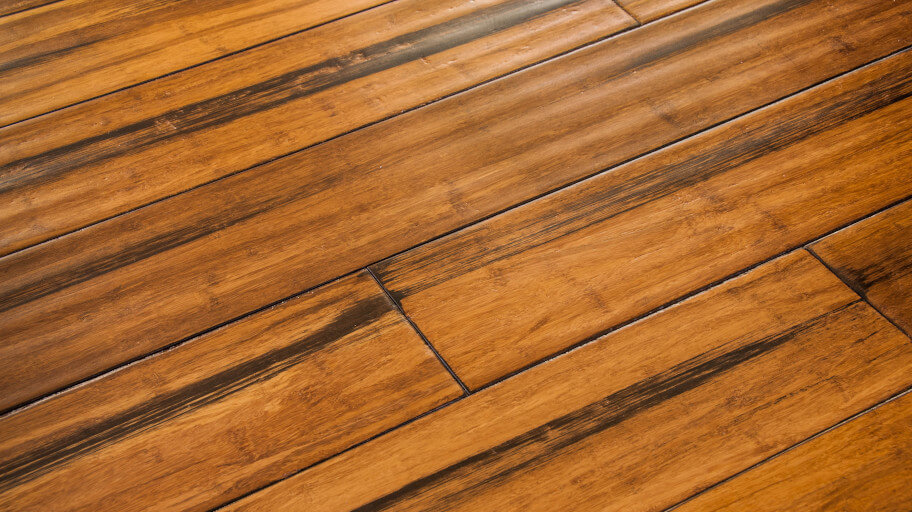
Nowadays, bamboo floors are very popular in Australia. Many people choose this type of flooring for their homes. And here comes the question – how to clean bamboo floors the right way? Some of you may be surprised to learn that this is actually a very durable material.
Still, you have to regularly maintain it to keep it in a good condition. Therefore, we present to you our step-by-step guide on how to clean bamboo flooring and tips on proper bamboo floor care.
What is the best cleaner for bamboo floors?
One of the most important things is to find the right type of bamboo floor cleaner. As you know, when it comes to natural materials, you should be careful not to damage the surface. You should use only pH-neutral cleaning products.
There are three popular DIY cleaning products for bamboo floors that you can try that are made by mixing either:
- Vinegar and water;
- Water and dishwashing liquid;
- Vinegar, water and dishwashing liquid.
Mixing approximately ¼ cup of white vinegar with a quart of water should make an effective enough cleaner.
Cleaning bamboo floors with vinegar and water is enough to leave them squeaky clean and get rid of any stains, too. Of course, you can always choose to buy a professional bamboo cleaning product from your local store (always read the instructions before use) or get a specialist involved in the cleaning process.
What not to use on bamboo floors?
It’s important to avoid products containing aggressive chemicals or waxing agents that can leave a glaze. There is also one question that comes up very often – can you use methylated spirits to clean wooden floors? The short answer is yes. However, you should know that this is mostly used for stain and marks removal.
Be very careful when cleaning bamboo floors with methylated spirits. You need to use small amounts of it, treat only specific areas, and make sure to test the solution on a less visible section of the floor to see how it will react with the material.
Can you steam clean bamboo floors?
It’s better to avoid steam cleaning a bamboo floor. Due to its effectiveness in removing allergens and dirt, steam cleaning is a popular option for many types of flooring, but bamboo calls for a more careful approach. Bamboo’s special composition makes it extremely susceptible to heat and excessive moisture. If you use a steam cleaner, too much moisture could be introduced into the joints of your planks, which might eventually cause warping or swelling.
Cleaning bamboo floors the right way
Now that you have your cleaning product prepared, you should get straight down to cleaning. Here are the steps to follow when cleaning bamboo floors.
Step 1: Vacuum the floors
Carefully vacuum or sweep your bamboo floors. Accumulated dirt or even dust particles can result in scratches, so you should aim to avoid this. Two important tips – you should use vacuums with a hard floor setting or a floor cleaning attachment. Similarly, you must use a softer broom if sweeping is your preferred method of cleaning.
Step 2: Remove dried stains and scuff marks
The next step in the best way to clean bamboo floors is removing stains and scuff marks. You can do this by using the DIY solution mentioned above or a commercial bamboo floor stain remover. Be very careful not to leave any damage and do not scrub too hard.
Step 3: Mop the floor
Once you have removed any stubborn stains, proceed to mop the entire floor thoroughly, as you aim to avoid excess moisture. Cleaning bamboo floors without streaks is not an easy task therefore we should proceed with the last step of the process.
Step 4: Dry
After you are done mopping the bamboo floor, avoid the urge to manually dry them up. On the contrary, you should allow them to air-dry. We recommend that you open a window to speed up the process.
Book your professional cleaner today!
Have your home sparkling clean in a heartbeat!
Bamboo floor care and maintenance tips
So far, you should know how to prepare and use DIY bamboo cleaners, how to prepare the bamboo floors before cleaning them, and the steps to follow in the actual cleaning process. Now, we move on to a few useful tips on how to best care for bamboo floors. Have a look at our list below!
- You can use carpets and rugs to protect your bamboo floors from the furniture’s impact. If this is not your preferred style, then you can also use furniture pads. Just remember to have your carpets cleaned every once in a while.
- Avoid walking with your shoes (especially high heels and sports cleats) on the bamboo floors to prevent the surface from scratches.
- Keep the humidity level at 30-50% to avoid swelling up or drying out of the bamboo flooring.
- Clean your bamboo floors regularly especially when it comes to high traffic areas. If necessary, you can do it twice a week. Remember that keeping your bamboo floorings clean is of utmost importance to prolong their life.
- If you have a pet, make sure to keep their nails trimmed to avoid scratches and damages.
- If you are a tenant – best leave the end of lease cleaning to a professional to avoid losing your bond.
- Reduce exposure to direct sunlight since this can fade bamboo over time. Rely on curtains or blinds for this purpose.
- Avoid bamboo floor polishing as this might leave a residue on the surface, especially if you use furniture polish.
Types of bamboo floors and their specifics
There are three main types of bamboo floors: strand bamboo flooring, horizontal bamboo flooring, and vertical bamboo flooring.
- Strand bamboo flooring stands out for its incredible durability; constructed from shredded bamboo fibres fused together under high pressure, it boasts remarkable resistance to dents and scratches, making it a sturdy choice for families, pet owners, or commercial settings.
- Vertical bamboo flooring – By using narrow slats to produce an extended appearance, vertical bamboo floors adopt a different strategy. This design highlights the linear texture of the wood while also enhancing the sensation of height in smaller spaces. This type, however, is not as durable as the strand bamboo floor, so it’s more prone to damage.
- Horizontal bamboo floors – In contrast, these give a more classic feel with their larger strips showing the inherent beauty of each stalk’s grain pattern. This design feels substantial underfoot and radiates warmth and depth. This one is the softest type of bamboo flooring when compared to the previous two, so it requires more special care and protection.
Advantages of bamboo floors
- Durable – Bamboo floors are extremely durable. High-quality bamboo can resist normal wear and tear. Some bamboo types could even be harder than other hardwood materials. This makes them suitable for high-traffic areas like hallways.
- Budget-friendly – Choosing bamboo floors for your home could very well save you some money. Bamboo flooring is usually more affordable than other hardwood flooring options. Regardless, you should always do in-depth research prior to any purchases.
- Easy to maintain – Another advantage of bamboo floors is that they are normally easy to maintain. With proper and regular cleaning, it should be no problem for them to last a long time and remain in top condition.
- Eco-friendly – Finally, bamboo floors are a more sustainable alternative to other types of flooring. Bamboo is the number one renewable source in the world. It takes about five years to fully mature. In comparison, some trees used for wooden floorings may take up to twenty years to develop.
Drawbacks of bamboo floors
- Prone to scratches – Bamboo floors are prone to scratches. Actions such as moving furniture around or even walking in high heels could result in scratches. You should consider this especially if you have any pets. Early harvest could leave the bamboo softer and therefore further decrease its durability.
- Susceptible to humidity – Bamboo is not resistant to humidity. If you live in an area with a high humidity level, then it is possible for the flooring to warp or crack. The opposite is also valid – if the humidity level is too low, then the bamboo floors may dry up, which will cause the material to crack. You should aim for 30-50% humidity.
- May contain VOCs – Bamboo floors may contain the so-called volatile organic compounds (VOCs). These are human-made and usually potentially harmful chemicals used in the processing of the bamboo material.
Book your regular cleaning with Fantastic Cleaners
Enjoy a clean house and extra time for yourself!
Takeaways
- Cleaning bamboo floors regularly improves their overall condition.
- Always vacuum or sweep your bamboo floorings before mopping them.
- Do not use too much water to avoid damage.
- Avoid dragging furniture on bamboo floors – they are easily scratched.