Last update: 1 month ago
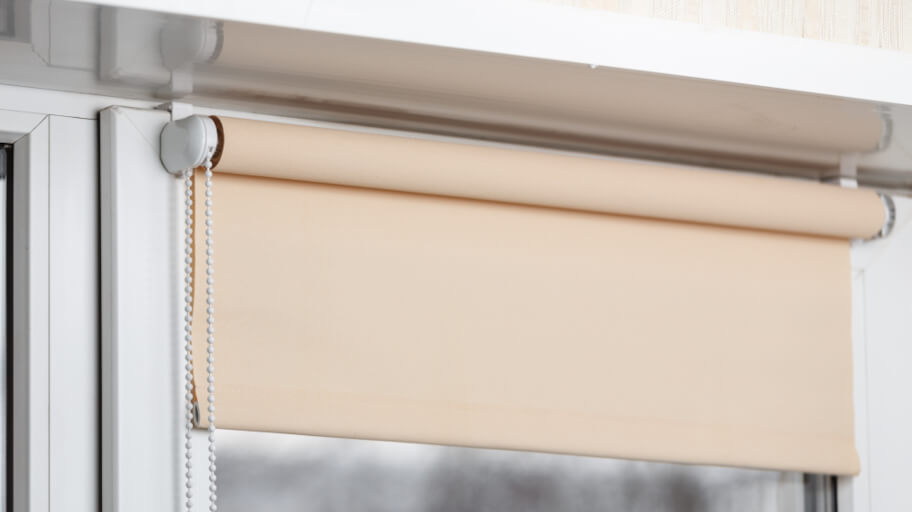
You don’t really notice your roller blinds — or how much they need cleaning — until you do.
One day they’re just part of the room, blending into the background. The next, you catch them in the wrong light and suddenly they look dusty, stained, maybe even a bit grimy around the edges. If they’re in the kitchen or bathroom, it’s usually worse — a mix of grease, moisture, and who-knows-what else clinging to the fabric.
Most people assume cleaning roller blinds is a hassle. Something that involves taking them down, soaking them, or just replacing them altogether. So they leave it. For months. Sometimes years.
But the truth is, it’s a lot simpler than it looks — if you go about it the right way.
In this article:
- How to clean roller blinds without taking them down
- Deep cleaning roller blinds step-by-step
- How to clean roller blind stains
- Cleaning roller blinds based on the material
- Cleaning mould off your roller blinds
- How to clean outdoor roller blinds
- How often should you clean your roller blinds
- Common mistakes to avoid when cleaning roller blinds
How to clean roller blinds without taking them down
To clean roller blinds without removing them, fully unroll the blind, dust with a microfibre cloth or vacuum on low suction, then spot-treat marks by dabbing — not rubbing — with a cloth dampened in warm water and a drop of mild detergent. Let dry fully before rolling up.
Most of the time, you don’t need to take your blinds down at all. That’s the good news. If they’re only lightly dirty or have a few marks here and there, cleaning them in place is quicker, easier, and far less hassle. In fact, this is the method most people should be using regularly to keep things from getting out of hand in the first place.
Start by fully unrolling the blind so you can see what you’re working with. You’ll usually notice a layer of dust straight away — especially along the bottom edge. A quick pass with a microfibre cloth or a vacuum (using a soft brush attachment and low suction) will lift most of that without any effort.
For small marks or patches of grime, dampen a clean cloth with warm water and a tiny drop of mild detergent. Then gently dab the area. Don’t scrub. It’s tempting, especially if the mark looks stubborn, but that usually just spreads it or roughs up the fabric.
Once you’ve dealt with the marks, go over the area again with a clean, slightly damp cloth to remove any leftover soap. This step gets skipped a lot, and it’s often why blinds end up with faint streaks afterwards.
Then just let the blind air dry fully while it’s still down. Avoid rolling it back up while damp — that’s how you end up with creases, smells, or even mould starting to form.
Deep cleaning roller blinds step-by-step
Sometimes you look at your blinds and realise a quick wipe isn’t going to fix it. They’ve picked up months (or years) of dust, odd marks, maybe a slightly sticky feel. At that point, you’re past surface cleaning — they need a proper reset.
Deep cleaning sounds like a big job, but it’s not complicated. You just need to be a bit more careful and a bit more thorough.
- Remove the blinds safely
Start by taking the blind down without rushing it. Most roller blinds will unclip or slide out of their brackets, but they’re not built to be yanked. If it doesn’t come free easily, pause and check how it’s fitted. Once it’s off, lay it out flat somewhere clean. A bath is ideal, but a large table or even the floor works if you’ve wiped it down first. The main thing is space — you don’t want it bunching up or folding over itself while you clean.
- Prepare a cleaning solution
Fill a basin or tub with warm water and add a small amount of mild detergent. Keep it simple. You’re not trying to strip paint here — just lift dirt without damaging the fabric. Hot water and strong cleaners might feel like they’ll do a better job, but they usually cause more problems than they solve, especially with coated or blackout blinds.
- Clean the blinds gently
Dip a soft cloth or sponge into the solution and work across the blind in sections. Take your time with it. You’ll see the difference pretty quickly as the dirt starts to lift. If there are areas that need a bit more attention, go over them again lightly rather than pressing harder. That’s the mistake most people make — they scrub, and the fabric ends up looking worn or patchy.
- Rinse thoroughly
Wipe the blind down with a clean, damp cloth to remove all detergent residue, working from top to bottom in sections. Leftover soap dries into faint streaks or sticky patches that attract more dust — it’s worth taking the extra minute to do this properly.
- Dry them properly
When you’re done, let the blind dry fully before putting it back into regular use. The easiest way is to hang it back up and leave it fully unrolled. Don’t try to rush this part. Heat can cause the material to warp slightly, and rolling it up while damp traps moisture inside. That’s when you start getting smells or even mould creeping in later. Give it time, let it air dry properly, and it’ll settle back into shape on its own.
How to clean roller blind stains
Stains are usually what push people over the edge. A bit of dust is easy to ignore. A visible mark right in the middle of the blind? Not so much.
The thing is, stains behave differently to general dirt. A quick wipe might freshen things up, but it won’t always shift a stubborn mark — especially if it’s been sitting there a while. Food splashes, grease spots, light mould marks, even those random “no idea where that came from” stains all need a bit more targeted effort.
- Spot clean with mild detergent – Dampen a cloth with warm water and a small drop of detergent, then gently dab the stain. Don’t rub it back and forth — that tends to spread the mark and push it deeper into the fabric instead of lifting it.
- Use a baking soda paste for tougher stains – Mix a small amount of baking soda with water to form a paste, apply it lightly to the stain, and leave it for a short time before wiping away. It’s surprisingly effective on stubborn marks, but it’s not something you want to use across the whole blind.
- Try white vinegar for light mould or odour stains – If the stain has a slight smell or looks like early mould, a bit of diluted white vinegar can help break it down. Keep it controlled — you’re treating a spot, not soaking the material.
- Use a soft brush for textured fabrics only – If your blinds have a slightly rough or woven texture, a very soft brush can help loosen the stain. Smooth or coated blinds are different — brushes can leave visible damage, so it’s best to avoid them there.
At the end of the day, some stains just don’t fully come out — especially older ones. You can improve them, sometimes a lot, but expecting a perfect finish every time usually leads to frustration. If a stain’s been there long enough, it may have already set into the fabric.
Cleaning roller blinds based on the material
Not all roller blinds are built the same, and this is where a lot of people slip up. What works perfectly on one type can ruin another. If you’re not sure what you’re dealing with, it’s worth taking a minute to check — it saves a lot of frustration later.
Cleaning fabric roller blinds
Fabric blinds are the most forgiving, but they still need a gentle approach. For regular cleaning, a quick dust or light vacuum is usually enough to keep them looking fresh.
If they’ve picked up marks or general grime, use a damp cloth with a small amount of mild detergent and work over the surface lightly. You can deep clean them if needed, but avoid soaking them for too long. Fabric can lose its shape if it’s overexposed to water, especially thinner materials.
The key here is patience. A couple of light passes will always give a better result than going in too aggressively.
Cleaning blackout roller blinds
Blackout blinds — also called block-out blinds in Australia — are designed to block light entirely. They look tough, but they’re actually a bit more sensitive than standard fabric ones. Most have a coated backing that doesn’t react well to too much moisture or rough handling.
Stick to surface cleaning wherever possible. A damp cloth with mild detergent is enough for most marks. If you need to go further, keep the water use minimal and avoid soaking completely.
Scrubbing is a bad idea here. It can damage the coating and leave visible patches that you can’t undo.
How to clean vinyl roller blinds
Vinyl blinds are much easier to deal with. They’re more resistant to moisture, which means you can be a bit more thorough without worrying about damage.
A simple wipe down with warm, soapy water usually does the trick. For heavier dirt, you can go over the area a couple of times or use a slightly firmer cloth, but still no need to go overboard.
They’re also less likely to hold onto stains, so cleaning tends to be quicker and more forgiving overall.
Cleaning Holland blinds
Holland blinds are a popular choice in Australian homes — they’re a classic style of plain roller blind made from woven fabric, often with a slightly open weave that gives them a light-filtering effect.
That open weave is their one quirk when it comes to cleaning: dust settles into the gaps more readily than it does on smooth or coated blinds. Because of this, vacuuming is especially important before any wet cleaning — skip it, and you’ll end up working moisture into a surface that’s already caked with fine dust.
Beyond that, clean them the same way you’d clean any fabric roller blind: a damp cloth with a small amount of mild detergent, gentle dabbing rather than scrubbing, and a full air dry before rolling them back up.
Do you need a helping hand?
Hire a professional cleaning team!
Cleaning mould off your roller blinds
To clean mould off roller blinds, vacuum away loose spores first, then wipe the affected area with a solution of equal parts white vinegar and water using a soft cloth. Leave it to work for a few minutes, wipe clean, and air dry the blind fully — unrolled — before rolling it back up. Never roll a damp blind up; that’s how mould comes back.
Mould is not only unsightly but unhealthy, too. If you see mould on your roller blinds, you’ll want to deal with it promptly. Here’s what works.
Step 1 – Dust and vacuum the mould
As a starting point, you’ll want to dust any harder and larger pieces of mould off your roller blinds. Start out by using a feather duster first to remove any bits of mould. You can wear a protective mask at this stage so that you don’t inhale any mould. Then, use your vacuum cleaner’s brush attachment to dislodge any other parts of the mould.
Step 2 – Wipe down with a cleaning solution
For most fabrics, the most effective first-line option is diluted white vinegar — mix equal parts white vinegar and water in a bowl, dampen your cloth, wring it out well, and wipe down the affected area. White vinegar breaks down mould at a surface level without damaging most blind fabrics, and it’s already handy in most Australian homes.
If your blinds are light in colour and the mould marks are relatively mild, a water, lemon juice, and salt solution is a gentler alternative worth trying. Either way, apply with a cloth — dab and wipe rather than saturating the fabric.
Avoid using bleach. It can degrade roller blind fabric, strip colour, and — importantly — it doesn’t prevent mould from coming back. You’d be trading a mould problem for a fading problem, and the mould would likely return anyway.
Step 3 – Place outside to air dry
Depending on whether you’ve removed your roller blinds first or whether you’ve left them rolled out fully over your window, once the cleaning and mould removal have taken place, you will want to leave your blinds outside or simply leave them hanging to air dry. Air drying is the best method to ensure that no further mould creeps in due to unaddressed moisture. Don’t forget to clean your windows too.
To reduce the chances of mould returning, ventilate the room regularly and always make sure your blinds are completely dry before rolling them back up. Most mould on indoor blinds comes from trapped moisture — address that, and you address the root cause.
How to clean outdoor roller blinds
Outdoor roller blinds go through a lot. Wind whipping at them, rain soaking in, dust settling day after day. Then there’s pollen, and if you’ve got birds nearby… well, you’ll know about it.
So when they start looking rough, it’s rarely just a quick bit of dirt. It’s layers of it. Built up slowly, bit by bit, until one day you actually notice.
The upside? They’re made to handle more than indoor blinds, so you can clean them a bit more properly without worrying too much. The downside is they get properly filthy, so a quick wipe won’t even scratch the surface.
Step 1 – Brush off loose dirt first
Before you go anywhere near water, deal with the dry stuff. Grab a soft brush — even a broom does the job — and sweep off the dust, leaves, and whatever else has settled on there.
Skip this step and you’ll regret it. Add water too soon and everything turns into a muddy smear. It’s messier, slower, and twice the effort.
Step 2 – Hose them down
Once the loose bits are gone, give the blinds a rinse with a hose. Nothing fancy. Just enough to wash off the top layer of grime.
Keep the pressure sensible. This isn’t a driveway. Blast it too hard and you risk loosening fittings or stressing the material. A steady rinse does the job just fine.
Step 3 – Clean with soapy water
Now you can actually clean them. Warm water, a bit of mild detergent, soft brush or sponge — that’s all you need.
Work in sections. Take your time with it. Some spots will need a second pass, especially near the bottom where all the dirt seems to collect. You’ll probably notice it straight away — that slightly darker strip that refuses to budge on the first go.
Step 4: Rinse thoroughly
Once you’ve gone over everything, rinse it all off with clean water. Properly.
Leftover soap might not seem like a big deal, but outdoors it just attracts more dirt once it dries. Before you know it, you’re back where you started.
Leave the blinds fully down while they dry. Fresh air usually does most of the work for you, so it won’t take ages.
How often should you clean your roller blinds
How often you need to clean your roller blinds depends on where they are and what they’re exposed to — a kitchen blind and a bedroom blind live very different lives.
- Light dusting or vacuuming: every 2–4 weeks for most indoor blinds. More often in kitchens, bathrooms, or high-traffic rooms where grease and moisture build up faster.
- Spot cleaning marks and stains: as needed — don’t wait for a full clean cycle if something’s landed on the blind.
- Deep clean: every 3–6 months for most indoor blinds. Outdoor blinds and kitchen blinds will need it more frequently — every 6–8 weeks in heavy-use situations isn’t unusual.
The more regularly you dust, the less often you’ll need a full deep clean. It’s one of those things that’s much easier to maintain than to recover. And for tougher stains that don’t shift with a quick wipe, occasional spot-cleaning your blinds as part of your routine makes a real difference over time.
Common mistakes to avoid when cleaning roller blinds
A lot of the damage people do to roller blinds happens during cleaning, not before. It usually comes from good intentions — trying to get them spotless — but going a bit too far with it.
- Using too much water – It’s easy to think more water = better clean, but roller blinds don’t respond well to being soaked unnecessarily. Too much moisture can weaken the fabric, leave tide marks, or even lead to mould if it doesn’t dry properly.
- Scrubbing too hard – This is probably the most common mistake. Scrubbing feels like you’re “working” the stain out, but in reality, it often roughs up the fabric or spreads the mark. Gentle pressure, repeated if needed, works far better.
- Using harsh chemicals or bleach – Strong cleaners might lift the stain, but they can also strip colour, damage coatings, or leave faded patches that look worse than the original problem. Mild and controlled always wins here.
- Skipping the rinse step – Leaving detergent behind is a quiet problem. It dries into faint streaks or sticky patches that attract more dust later. A quick wipe with clean water makes a noticeable difference.
- Rolling blinds up while still damp – This one causes issues later rather than immediately. Trapped moisture leads to musty smells, creases, or even mould coming back. Always let them dry fully while unrolled.
- Ignoring the material type – Not all roller blinds are the same. Fabric, blackout, and coated blinds all react differently to water and cleaning methods. Treating them all the same is where things start going wrong.
Most of these are easy to avoid once you know about them. It’s less about doing more, and more about not overdoing it.
Frequently asked questions
No — most roller blinds cannot go in a washing machine. The mechanical rolling mechanism, fabric coating, and stiffening treatments used in most roller blinds will be damaged or destroyed by a machine wash cycle. Hand-wash or surface-clean only, following the method appropriate to your blind’s material.
For fabric or vinyl roller blinds that have yellowed or dulled over time, a solution of warm water and a small amount of oxygen-based cleaner (not bleach) applied gently with a soft cloth can help brighten the surface. Prevention is easier than cure — regular dusting stops discolouration from building up in the first place.
Steam cleaning is not recommended for most roller blinds. The heat and moisture can warp the fabric, damage blackout or block-out coatings, and cause the blind to lose its shape. Stick to a damp cloth and mild detergent for most blind types.
Do you need a helping hand?
Hire a professional cleaning team!
Takeaways
Cleaning your roller blinds is not a difficult task, but it is one that you need to take care of to keep your home clean and dust and grime-free. To clean your roller blinds, keep the following in mind:
- Determine the material that your roller blind is made of
- If it is a fabric or vinyl roller blind, you will need a vacuum cleaner and a water/detergent solution.
- You need to remove the blinds from their sockets and place them in the bath for a deeper clean.
- Air drying is the best method to prevent further dirt build-up.
- Removing mould from your roller blinds works best with a diluted white vinegar solution; a water-lemon juice-salt mix is a gentler alternative for lighter marks.
- Light dusting every 2–4 weeks and a deep clean every 3–6 months keeps most indoor blinds in good shape.
- Occasionally spot-cleaning your blinds is a good idea to address unwanted stains.