Last update: 1 month ago
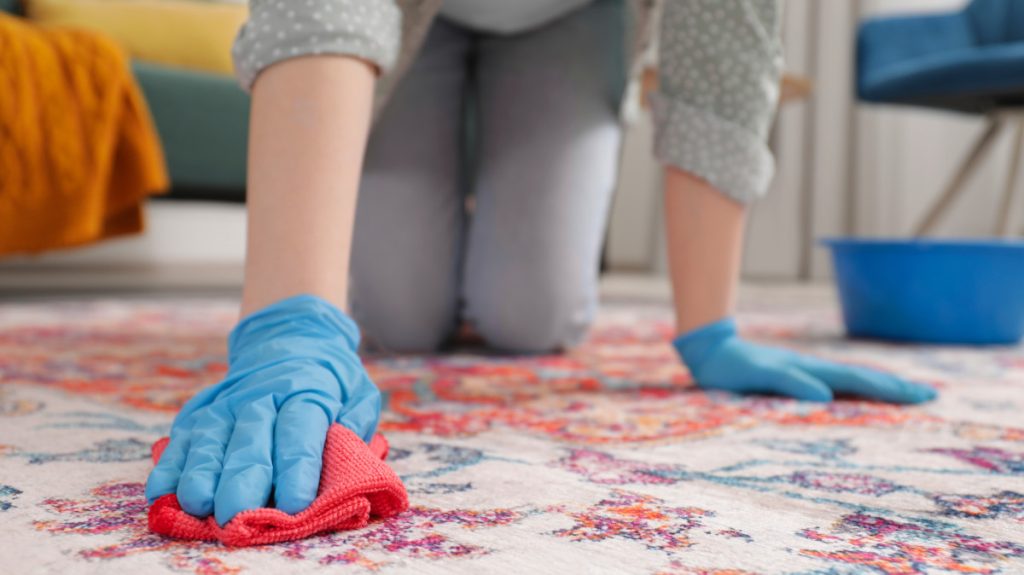
Carpets aren’t just part of your home—they’re part of your stories. From coffee spilled during a late-night chat with friends to the wine stain that marked a memorable celebration, every spot tells a tale. But while these moments are priceless, the stains they leave behind don’t have to be permanent.
Here are seven effective homemade carpet cleaner recipes using natural, everyday ingredients. They’re budget-friendly, eco-conscious, and, most importantly, safe for your little ones and furry friends. Perfect for Australian homes, where every carpet tells a story of outdoor adventures and cherished indoor moments.
1. Baking soda carpet cleaner
Baking soda is a simple and effective homemade carpet cleaner. It naturally deodorises and removes dirt, leaving your carpets refreshed without harsh chemicals. Ideal for tackling lingering odours from pets, food, or spills. It lifts light stains caused by dirt or dried spills. Additionally, it helps with general carpet maintenance, keeping fibres fresh and deodorised. Check this guide to creating and using this versatile DIY carpet cleaner solution:
Ingredients:
- Baking soda (enough to lightly cover the area to be cleaned)
- Optional – A few drops of your favourite essential oil (lavender, lemon, or tea tree are great choices)
Recipe and application
- Sprinkle the baking soda
Sprinkle an even layer of baking soda across your carpet. If you’d like a better aroma, mix a few drops of essential oil into the baking soda before sprinkling.
- Let it sit
Allow the baking soda to sit for 15–30 minutes. This gives it time to absorb odours and loosen dirt.
- Vacuum thoroughly
Use a vacuum cleaner to remove the baking soda completely. Go over the area a couple of times to make sure no residue is left behind.
What materials can be cleaned
- Synthetic carpets
- Wool or wool-blend rugs (provided they are vacuum-safe)
- Area rugs and low-pile carpets
What materials can’t be cleaned
- Delicate fabrics – Materials like silk or antique rugs may react poorly to baking soda.
- Shag carpets – The fibres can trap baking soda, making it difficult to remove completely.
- Moist areas – Baking soda is less effective on wet stains or areas with moisture, as it can clump and become harder to vacuum.
2. Vinegar and water spot cleaner
When it comes to an all-natural homemade carpet cleaner, a simple mixture of vinegar and water can be enough. This solution acts as a natural stain remover for spots. Plus, it lifts light stains from dirt, food spills, pet accidents, and even high-traffic areas where foot traffic has caused discolouration. Its acidic properties help break down dirt and grime, refreshing carpet fibres and neutralising unpleasant smells. All without leaving a sticky residue behind. Here’s how to make and use this effective carpet cleaner DIY method.
Ingredients:
- 1 part white vinegar
- 1 part water
- Optional – A few drops of essential oil (to mask the vinegar scent)
Recipe and application
- Mix the solution: For carpets with natural fibres, mix equal parts white vinegar and water in a spray bottle. For synthetic fibres, use a 1:2 ratio of vinegar to water instead. Add a few drops of essential oil like lavender or eucalyptus for a fresh scent if you like.
- Spray onto the stained area: Spray the solution directly onto the stained area or high-traffic zones. Avoid soaking the carpet — a light mist is sufficient.
- Blot from the edges inward: Blot gently using a clean, dry cloth, working from the edges of the stain toward the centre. This prevents the stain from spreading.
- Repeat if needed: For stubborn stains, repeat the process until the spot is gone.
What materials can be cleaned
- Synthetic carpets – Safe for most types of synthetic fibres.
- Natural carpets – Can be used cautiously on wool and cotton. Always test a small, inconspicuous area first.
What materials can’t be cleaned
- Delicate fabrics – Avoid using on silk or antique rugs, as vinegar can be too harsh.
- Stone flooring under rugs – If your carpet sits atop natural stone floors, be careful with vinegar, as it can etch and damage stone surfaces.
3. Hydrogen peroxide stain remover
Hydrogen peroxide is a powerful DIY carpet cleaner, perfect for tackling stubborn stains and refreshing light-coloured carpets. Especially for tough spots like coffee, wine, and tea spills. It is great for organic stains such as blood and food-related messes. Additionally, it’s a fantastic homemade cleaner for dog urine. Check how to make a DIY carpet cleaner using hydrogen peroxide.
Ingredients:
- 1 part hydrogen peroxide (3% solution)
- 1 part water
- Optional – A small amount of mild dish soap (for added cleaning power)
Recipe and application
- Mix the solution: Combine equal parts hydrogen peroxide and water in a spray bottle. If desired, add a small squirt of dish soap for particularly tough stains.
- Spray onto the stain: Apply your homemade carpet cleaner to the stain by spraying. Never pour the solution directly onto the carpet.
- Allow to sit: Allow the solution to sit for about 10 minutes.
- Blot gently — do not rub: Wipe the stain gently with a clean, dry cloth. Avoid rubbing so as not to push the stain deeper into the carpet fibres.
- Repeat for stubborn stains: For tougher stains, you might have to repeat the process.
What materials can be cleaned
- Synthetic carpets – Safe and effective for most synthetic fibres.
- Stain-resistant carpets – Works well on carpets designed to repel stains.
What materials can’t be cleaned
- Dark or bright-coloured carpets – Hydrogen peroxide can lighten colours, so test in an inconspicuous spot first.
- Delicate materials – Avoid using it on antique, silk, or wool rugs.
4. Cornstarch and borax carpet powder
The combination of cornstarch and borax makes a powerful DIY cleaning solution. Both affordable and easy to use. It’s an excellent choice for deodorising, lifting dirt, and tackling light stains with ease. Here’s how to create and apply this carpet cleaner DIY.
Ingredients:
- 1 part cornstarch
- 1 part borax powder
- Optional: A few drops of essential oil (for a fresh scent)
Recipe and application
- Mix the powder: Combine equal parts cornstarch and borax in a bowl. If you like, add 5–10 drops of your favourite essential oil — it smells great and helps kill bacteria too.
- Spread across the carpet: Spread the powder evenly across the carpet, focusing on areas with strong odours or light stains.
- Allow to sit: Allow the powder to sit for 30 minutes to an hour.
- Vacuum completely: Vacuum the powder completely, leaving no residue behind.
What materials can be cleaned
- Synthetic carpets – Safe for most synthetic materials and blends.
- Natural fibre rugs – Can be used cautiously on wool and jute, provided they are vacuum-safe.
- Area rugs – Works well on low-pile and medium-pile rugs.
What materials can’t be cleaned
- Delicate or antique rugs – Avoid using on silk, viscose, or antique carpets, as borax may be too harsh.
- Shag carpets – The powder may become trapped in long fibres, making it difficult to vacuum out.
Safety note – It’s a natural cleaner, but kids and pets shouldn’t get into it. Avoid using this powder in areas where they frequently play or rest.
If the old stains have been there for a long time, hiring professional carpet cleaners for this job is better.
5. Club soda for spills
Club soda is a surprisingly effective DIY carpet cleaner solution for handling fresh spills, mild stains and splatters. It’s also a fantastic option for eco-friendly carpet care. All that without leaving a sticky mess. Plus, club soda neutralises odours, making it a great solution for keeping carpets fresh and clean.
Ingredients:
- Club soda (unflavored and unsweetened)
- Clean, white cloth or paper towels
Recipe and application
- Blot the spill: Blot the spill with a clean white cloth or paper towel, absorbing as much liquid as possible. Do not rub — rubbing pushes the stain deeper into the carpet fibres.
- Apply club soda: Pour a small amount of club soda directly onto the affected area. Use just enough to dampen the carpet, not soak it.
- Blot again from the edges inward: Use a fresh cloth or paper towel to blot the area, working from the edges of the spill toward the centre. This helps contain the stain.
- Repeat until the stain is gone: For tougher stains, repeat the process until the spot is completely gone.
- Absorb remaining moisture: Press a dry towel over the area to soak up any remaining moisture.
What materials can be cleaned
- Synthetic carpets – Safe for most synthetic materials.
- Wool rugs – Gentle enough for wool carpets and blends, provided they’re blotted dry thoroughly afterwards.
- Area rugs – Effective on most low- to medium-pile rugs.
What materials can’t be cleaned
- Delicate fabrics – Avoid using club soda on silk, viscose, or antique rugs, as they can be sensitive to moisture.
- Shag carpets – The liquid may be difficult to fully remove from thick, long fibres.
6. Dishwashing detergent carpet cleaner
Refresh your carpets and eliminate stains effortlessly with a detergent-based DIY carpet cleaner. Suitable for both synthetic and natural fibres. Dirt, spills, and stains are gone with this simple formula. It’s especially effective for food and drink spills like coffee, juice, and soda, as well as tough grease and oil stains. Here’s how to prepare it based on your carpet type.
Ingredients:
- Translucent liquid dishwashing detergent (e.g., Dawn or Joy)
- Lukewarm water
- Clean, white cloth or sponge
Recipe for synthetic carpets
- Mix the solution: Mix ¼ teaspoon of translucent liquid dishwashing detergent into one cup of lukewarm water.
- Stir gently: Stir gently to combine, avoiding excess suds.
Recipe for natural fibre carpets
Application
- Dab the stained area: Dampen a clean cloth or sponge with the prepared detergent solution. Before applying, blot any excess liquid or debris from the stained area. Then, gently dab the solution onto the stain.
- Rinse to remove residue: Rinse the area with a plain damp cloth after treating the stain. This removes detergent residue, which can attract dirt if left behind.
- Dry the treated spot: Press a dry towel or cloth onto the treated spot to absorb moisture, then let the carpet air dry completely.
What materials can be cleaned
- Synthetic carpets – Perfect for most synthetic fibres like nylon or polyester.
- Natural fibre carpets – Safe for wool, cotton, and other natural materials when used with the appropriate recipe.
What materials can’t be cleaned
- Silk or antique rugs – Delicate fibres may not tolerate detergent-based solutions.
- Shag carpets – The solution may be difficult to rinse out of deep, long fibres.
7. Laundry detergent carpet cleaner
Laundry detergent isn’t just for clothes — it easily tackles stains, dirt, and odours, all while being gentle enough for both synthetic and natural fibre carpets. From milk and coffee spills to mud, this cleaner handles it all, making it one of the most versatile homemade carpet cleaner options in your laundry room. It can even help when tackling challenges like how to clean a shaggy rug.
Ingredients:
- 1 teaspoon liquid laundry detergent (choose a gentle, non-bleach formula)
- 1 cup lukewarm water
- Clean, white cloth or sponge
Recipe and application
- Mix the solution: Combine one teaspoon of liquid laundry detergent with 1 cup of lukewarm water. Stir gently to mix without creating excessive suds.
- Blot away the fresh spill: If the stain is fresh, blot away as much of the spill as possible using a clean, dry cloth. Avoid rubbing, as it may spread the stain.
- Dab the stain: Dip a white cloth or sponge into the detergent mixture and dab it gently onto the stained area. Work from the edges toward the centre.
- Rinse to remove detergent residue: Dampen another cloth with plain water and blot the area to remove detergent residue. Skipping this step can leave sticky spots that attract dirt.
- Dry completely: Press a dry towel over the treated area to absorb excess moisture, then let the carpet air dry completely.
What materials can be cleaned
- Synthetic carpets – Works well on nylon, polyester, and other synthetic fibers.
- Natural fibre carpets – Safe for wool, cotton, and jute, provided you rinse thoroughly to avoid detergent buildup.
What materials can’t be cleaned
- Delicate fabrics – Avoid using laundry detergent on silk or antique rugs, as it may damage the fibres.
- Shag carpets – The long fibres can trap detergent, making it difficult to rinse out completely.
Frequently asked questions
Liquid DIY solutions like the vinegar-water or diluted detergent mixes can be used in some carpet cleaning machines, but check the manufacturer’s guidelines first. Never use baking soda or cornstarch/borax powder in a machine — they can clog the mechanism. Always use a highly diluted solution to prevent foam build-up.
The vinegar odour dissipates as the carpet dries, usually within a few hours. Speed up the process by opening windows, running a fan, or adding a few drops of essential oil to the solution before applying. A light sprinkle of baking soda after the carpet dries can absorb any residual smell.
Yes, but use as little liquid as possible and ensure the carpet dries quickly. Excess moisture trapped between the carpet and a heated subfloor can encourage mould. Dry powder recipes like baking soda or the cornstarch/borax mix are the safest choice for carpets over underfloor heating.
Let the experts handle it!
Get your carpet and rugs professionally cleaned!
Takeaways
- Homemade solutions are cost-effective, eco-friendly, and use everyday ingredients found in most homes.
- Most DIY cleaners are safe for pets and children, making them ideal for households looking for non-toxic cleaning methods.
- They are simple cleaning methods with straightforward steps for stain removal and deodorising.
- For stubborn stains or extensive cleaning needs, professional services are worth considering.