Last update: 6 months ago
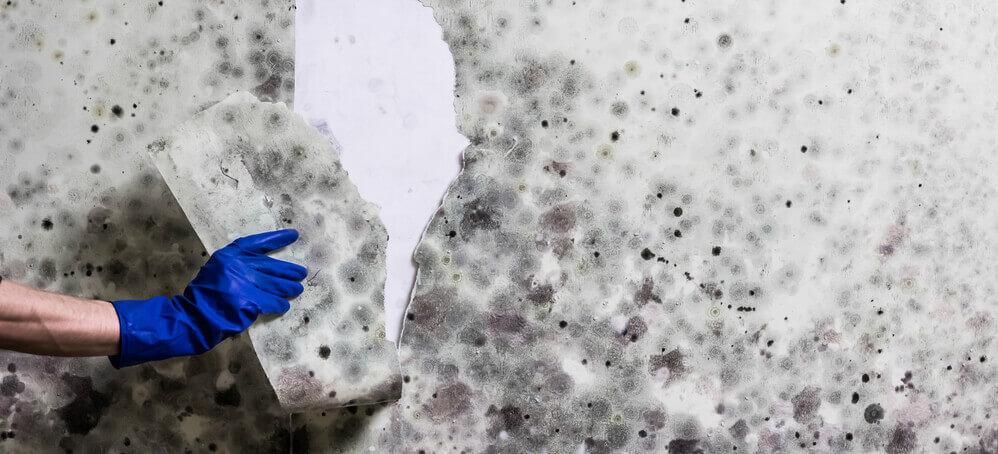
Mould is a nightmare for every homeowner. It looks unsightly, but that’s the least of it. Prolonged exposure can cause severe health problems like allergies, asthma attacks, headaches, and respiratory infections. Thus, as a homeowner, you should prioritise getting rid of mould as soon as possible.
Mould is a common problem in many households, especially during humid weather conditions or after water damage incidents such as floods or leaks. While we cannot control weather conditions and seasonal changes, there is plenty in our power that we can do.
Below you can find out how to get rid of mould naturally and without chemicals.
What is mould and types of mould
Mould is a type of fungus that grows on damp surfaces. It spreads through tiny spores that float through the air. You can’t stop spores, by the way. They’re everywhere, but they only grow when they find moisture and something to feed on. Their food source is dust, grime, paper, timber, fabrics, even old soap scum.
As far as the most common types go, you likely have one of these:
- Black mould – Thick and dark. It usually grows in patches and is the type most people notice first.
- Green mould – Fuzzy or powdery, often appearing on fabrics, carpets, and walls.
- white mould – Soft and powdery, sometimes mistaken for dust. It often shows up on timber, plasterboard, and stored items.
- Yellow mould – Can look dusty or slimy. It appears in hidden areas like cupboards, behind furniture, or on insulation.
What are the most common causes of mould
When the “right” temperature, moisture and nutrients are available, the mould starts to develop. It likes damp, dark areas with plenty of moisture. That’s why it’s most often found in bathrooms, kitchens, basements, storage areas, and more. So, what are the causes of mould growth and can you influence them to get rid of mould naturally?
Condensation
The most common cause of mould at home is condensation. When the warm, humid air of the home meets a cold surface, like the wall around windows, for example, it condenses and creates the perfect environment for mould to grow.
You can help prevent mould from growing in your window tracks by grabbing an old towel and drying the window panes.
Leakage
Another cause for mould is leaking pipes. They might be concealed inside a wall, and the mould is only a fraction of the problem on the other side of the plaster!
In this scenario, enlist the help of a qualified plumber to get to the bottom of the issue.
Poor ventilation
Let the fresh air circulate through the house as often as you can because poor ventilation keeps the humidity and the mould spores inside. Here is what you can do to improve air humidity at home:
- Bathroom. Consider installing an exhaust fan in your bathroom to draw the warm, humid air out. When the bathroom is not in use, you can leave the door or window open to let fresh air circulate. That will help dry out the shower cubicle and any other damp areas.
- Kitchen. Install a range hood over the cooktop and use it while cooking to prevent steam building up in the kitchen. If there is already a range hood, make sure it’s working properly and that the filters are clean.
- Entire home. If there’s a room in your house that regularly retains moisture and there’s no way to minimise that, investing in a moisture absorber might be your best move. Consider installing a ducted ventilation system that circulates dry air throughout your home all year round.
Natural methods for removing mould from your home
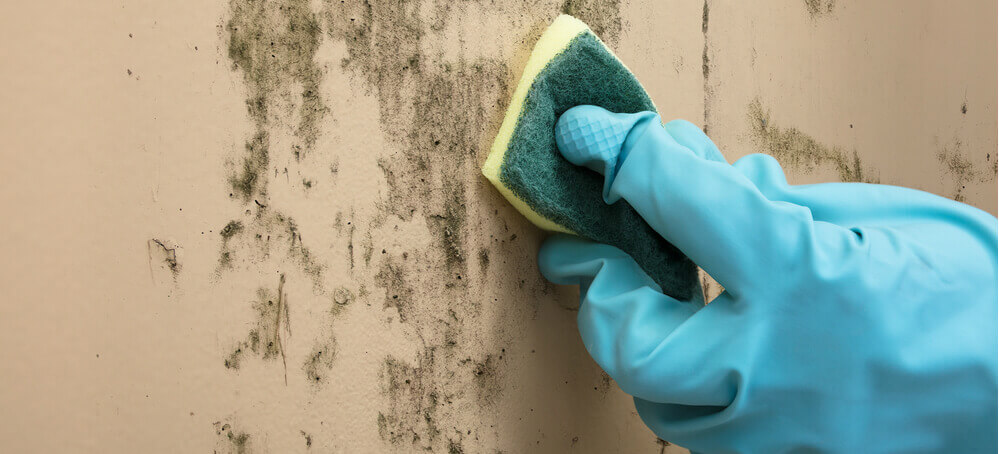
Natural remedies are effective ways to remove mould without exposing yourself or loved ones to harsh chemicals that may have long-term effects on your health.
So, what is the natural enemy of mould? Products like vinegar, baking soda solution, and tea tree oil contain antifungal properties that work effectively against mould spores. For affected areas bigger than a square meter, we recommend you get a professional to clean the mould for you.
Before you start removing the mould, however, prepare yourself. You don’t want the spores near to irritate your eyes or cause you breathing problems or migraines. So,
- Ventilate – Open windows and doors.
- Protect yourself – Wear gloves, eye protection, and a mask to avoid inhaling spores.
- Spot Test – Test cleaners on a small, hidden area first.
- Avoid scrubbing dry – This sends spores into the air; use damp cloths instead
Get rid of mould with baking soda
Best for tiles, grout, sinks, shower screens, and other hard, non-porous surfaces. It works well where you need gentle scrubbing without scratching.
- Prepare your cleaning solution. Mix baking soda with white vinegar and water, proportions 2:1:1. Stir the mixture until it becomes a thick paste.
- Apply the mixture on the affected surface and leave it like for a few minutes to dry.
- Scrub away the paste and grime and wipe with a clean cloth and water.
Get rid of mould with vinegar
Best for walls, window frames, glass, tiles, and sealed surfaces. It suits light to moderate mould and areas that don’t need heavy scrubbing.
- Get undiluted white vinegar and pour it in a spray bottle.
- Spray the vinegar on the mould growth and leave for around an hour.
- Wipe away using water and clean cloth.
- Repeat if there is still mould residue.
- Allow the area to dry. The vinegar smell should go away in a few hours.
Get rid of mould with tea tree oil (antifungal agent)
Best for porous surfaces like timber, plasterboard, carpets, and fabrics. It penetrates deeper and helps stop mould from coming back.
- Mix one teaspoon of tea tree oil with one cup of water in a spray bottle.
- Spray the solution directly onto the mouldy areas.
- Let the solution sit for about 30 minutes to an hour. This will give the tea tree oil time to kill the mould.
- Use a scrub brush or sponge to scrub away the mould. If the mould is particularly stubborn, you might need to make a stronger tea tree oil and water solution.
- Once the mould is gone, rinse the area with water to remove any residual tea tree oil.
- Allow the area to dry completely. You might want to use a fan to speed up the drying process.
Preventing future growth of mould in your home
Identify areas where moisture accumulates and act promptly to dry them out. This may include leaky pipes and roof leaks that allow water into your home. It is also recommended to keep indoor humidity levels below 60%. You do that with a dehumidifier or an air conditioner during humid weather.
Research has shown that proper ventilation plays an essential role in preventing mould from growing inside homes. Inadequate airflow, on the other hand, can trap moisture indoors, and give ideal breeding grounds for mould colonies. So, make sure your HVAC system is up and running and regularly change air filters.
Lastly, keep your home clean and tidy to prevent mould growth in the first place. Cluttered spaces accumulate dust, which provides food sources for mould spores. Regularly declutter and clean surfaces with anti-microbial products.
Takeaways
- It’s crucial that you ventilate your place often and wipe condensation away to prevent mould growth.
- You can use an exhaust fan in the bathroom, a range hood in the kitchen, and a dehumidifier anywhere else.
- Prevention is better than cure when it comes to dealing with mould growth; maintaining proper ventilation, reducing humidity levels, cleaning surfaces prone to moisture accumulation regularly will help prevent future growths in your home.
- Consider a regular cleaning service to cover the hardest-to-clean areas so you don’t have to be the janitor of your own home.
- By taking these measures to reduce the amount of internal moisture, you will greatly reduce the risk of mould growth, and help work toward a happier and healthier future for everyone inside your home.
Do you need a helping hand?
Hire a professional cleaning team!