Last update: 3 months ago

When you think of rental property inspection, probably the first thing that comes to mind is heavy-duty cleaning and lots of stress. So, it’s only natural to feel panic when the actual thing is just around the corner.
However, negative emotions can only lead you down the wrong road, causing a disappointing outcome and more trouble. It will be more beneficial to leave your worries aside and invest your energy into actual work. To be more specific, find ways to clean the house or apartment up to standard, as best you can, within the shortest time.
What’s the point of a rental property inspection?

Despite what most tenants think, the primary purpose of a routine rental inspection is not to judge your cleaning abilities. It’s actually to see to the condition of the place: whether any damages need fixing, if special maintenance is required, etc.
So, you don’t have to go overboard with the cleaning and organisation. The important thing is to make the place look presentable. Some landlords are indeed more demanding, but in most cases, only primary care is required. This could refer to making sure there are no dishes in the sink, no clothes just lying around or piles of laundry, and that the rooms look tidied up.
How to best prepare for your rental house inspection?
You probably think that there are a million things to take care of to prepare for your periodic inspection properly. Well, you are not far from the truth, but the good news is that you are entitled to at least 7-days notice before your rent inspection takes place.
We can help you get organised and take full advantage of this time, so everything goes as planned. Here is how!
- Don’t waste time – Good organisation will save you from stress and mistakes. As soon as you find out when your routine property inspection is taking place, think of the tasks you will have to do and the time each of them will take. Then make a plan. “As a tenant, the best thing you can do to prepare for a rental inspection is to maintain the property.” says Taylor Barrington, Senior Property Manager at Educated Property, real estate and property management service provider in Penrith. Barrington also reminds that doing “regular cleaning and gardening means that, when it’s time for an inspection, you aren’t stuck with hours of stressful cleaning the day before!”
- Do a general check around the house – Take a trip around the house and see if everything is working properly, including doors, locks, windows, taps, light switches, fans, etc.
- List your issues – It is possible to forget about a certain property problem and miss your chance to share it with your landlord on the day of the inspection. But making a list will definitely prevent that. It is better to print it all on paper, so it is easy to read and the agent or landlord can take it along.;
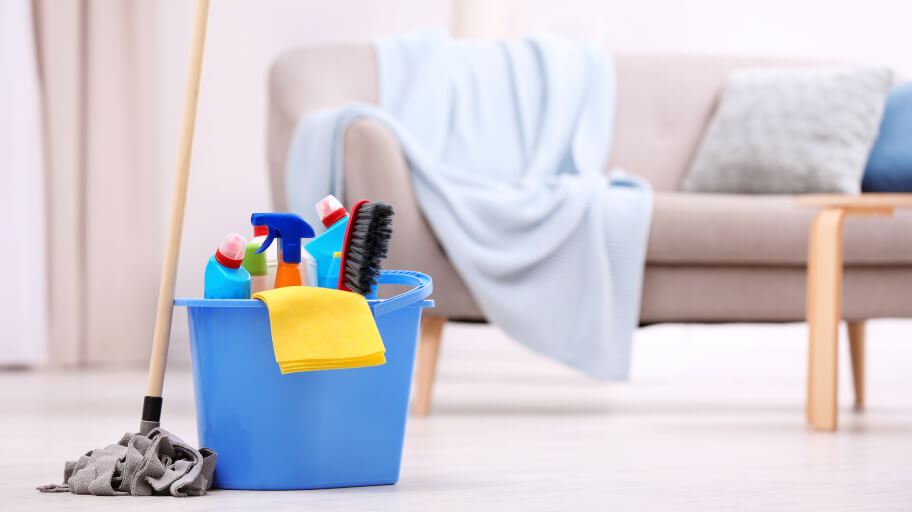
- Get your cleaning kit ready – Keep all your cleaning supplies in one convenient spot, this can save you a lot of time. Depending on the tasks before you, it’s easy to know what products to get, so you are all set up for the big cleaning.
- Stay on track with a rent inspection cleaning checklist – The good old to-do list will really simplify the preparation process. To make things even easier on you, we have prepared just that.
Rental inspection checklist
Rental inspection cleaning checklist:
- Wash and put away all dishes
- Wipe down kitchen benchtops, stovetop, oven and range hood
- Clean inside and wipe down cupboard doors and fridge exterior
- Remove laundry piles and put clothes away
- Clean bathroom tiles, sink, taps, shower and toilet
- Check for and treat any mould
- Vacuum carpets and treat any visible stains
- Wipe down windowsills and tracks
- Clear cobwebs from corners and ceilings
- Tidy and clean outdoor areas (balcony, patio, garden)
- Check pool compliance if applicable
- Do a general check of doors, locks, windows, taps and light switches
We suggest you start with cleaning the most “sensitive” house areas that are known to cause trouble. Here they are:
Kitchen
- Inspect the oven, stovetop and range hood in detail. “The stove and the oven should be cleaned well, this shows that you are looking after the property and are caring for it as if it were your own.”, recommends Leda Ahmadzai, Senior Property Manager for Location Property Group. According to Ahmadzai these are commonly neglected areas by the tenants that will certainly get checked during the inspection.
- Check the walls for stains and try to erase as many as you can. Cooking often causes wall marks, which may draw the attention of your landlord or agent.
- Don’t forget to inspect the rest of the appliances. The cupboards’ doors can easily get covered in greasy fingerprints over time. Organise your items and wipe the surfaces.
- Another thing that’s hard to miss is a sink filled with dishes. Your sink will need a good scrub before the rental house inspection anyway and you won’t be able to do it until those dishes are gone. So, don’t waste time but get them out of your hair right away.
Bathroom
- Cleaning the tiles, sink, taps, shower, toilet and other areas will make a nice impression for sure.
- While you are scrubbing, look around for any visible damage or signs of mould. It is a red flag when it comes to routine rental property inspection, and it’s best to get rid of the mould as soon as you see it. According to Barrington, “it’s becoming increasingly common to see mould in kitchens, bathrooms and laundries, as well as cluttered storage areas and behind furniture. This may be as a result of relaxed maintenance, wet carpet that hasn’t been dried properly, or inadequate aerating of bathrooms via windows and exhaust fans.” The fungus is fond of moisture and favours corners, ceilings and vents. Remember to keep an eye on these even after the routine house inspection is done.
Carpets and rugs
When you enter a room, one of the main things you notice is the floor. Especially when there are carpets or rugs, if you’ve been living in the house for a while, a little bit of wear and tear could be visible, and that’s not a problem.
However, a big wine spot or coffee stain in the middle of the carpet will hardly go unnoticed. If you are responsible for it, then, in addition to vacuuming, we suggest you try to get the stain out. That won’t be easy if it’s an old one, but some cleaning methods could transform the affected spot. If they don’t, there’s always professional carpet cleaning.
Outdoor areas
Chances are your landlord has already seen the condition of the garden, lawn, patio, balcony or other outdoor spaces if they are visible from afar. However, this shouldn’t stop you from going the extra mile to improve them before your property’s inspection. If you keep many things on your balcony, now is the time to organise them neatly and clean around to make the space look presentable. As for the garden, a little weed plucking will suffice.
Now, depending on the time you have left, tackle as much of the following as you can:
- Cobwebs and visible dirty marks – Look for cobwebs in corners and on the ceiling. You may find dirty fingerprint marks or stains on walls or furniture that could easily disappear with a little elbow grease and an all-purpose cleaner.
- Windows – In case you’ve recently done a spring cleaning, then this won’t be an issue. If not, it is good to at least give the sills and tracks a good wiping before the rental inspection.
- Floors – Wiping the floors will certainly make a difference. Do it earlier, though, so there is enough time for the surface to dry completely; otherwise, you may contaminate it again.
The majority of tenants see these periodic property inspections as scary and unpleasant, but the truth is they can be beneficial for both sides. Tenants can raise any issues they have so that a solution can be provided sooner. As for landlords, they will rest assured that their property is being taken care of and any repairs and end-of-lease cleaning services are done on time to prevent more serious consequences. And that’s the best way to secure a healthy tenant-landlord relationship.
FAQ
No. A routine inspection just needs the property to look clean and well maintained day-to-day. An end-of-lease clean is far more thorough, since it’s assessed against your bond and needs to return the property to the condition it was in when you moved in (minus fair wear and tear).
Yes, tenants are generally entitled to be there, though it isn’t compulsory. Your property manager or landlord must give you proper notice of the date and time, and you can choose whether to attend or leave them to complete it without you.
Not usually — routine inspections focus on general tidiness rather than deep-cleaning appliances. A quick wipe-down of visible marks is a good idea, but a full inside-and-out clean of the fridge and cupboards is more of an end-of-lease task.
You won’t “fail” in a formal sense, but if the property manager finds the place isn’t being properly cared for, they may raise it with you and ask for it to be addressed before the next inspection. Ongoing issues could affect your reference for future rentals, so it’s worth taking any feedback seriously.
Not outright, provided your landlord or property manager has given the legally required notice. Tenants can request to reschedule if the timing genuinely doesn’t work, but routine inspections are a standard part of most lease agreements.
Need a helping hand tidying up your rented place?
Hire a professional cleaning team!
Conclusion
Routine rental inspections don’t have to be stressful. A bit of regular upkeep and a quick run through your rental cleaning checklist beforehand is usually all it takes to leave a great impression — and keep both you and your landlord happy for the rest of the lease.